
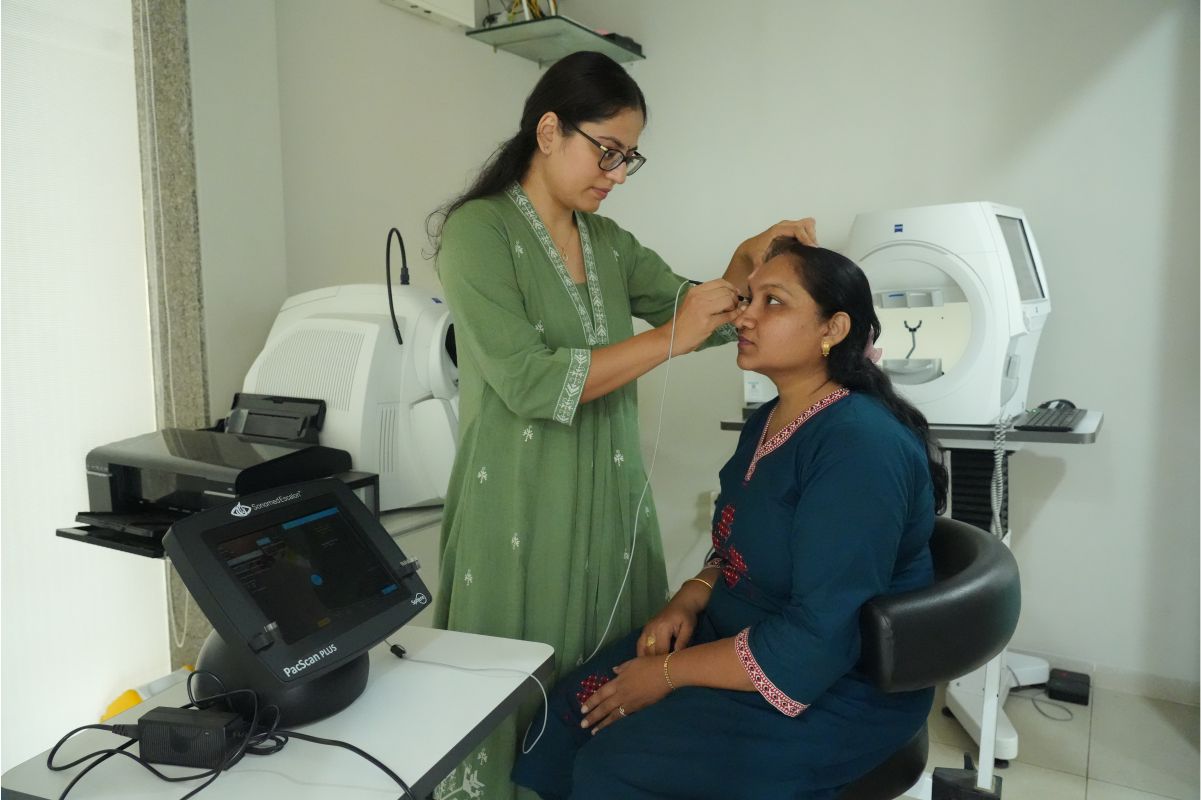
A laser procedure is a safe and effective treatment used to manage glaucoma by improving fluid drainage within the eye. It helps lower intraocular pressure, reducing the risk of optic nerve damage. The procedure is quick, minimally invasive, and usually performed without the need for major surgery. It is commonly recommended when medications alone are not sufficient to control eye pressure.
Different laser treatments are used based on the type and severity of glaucoma.
Creates a small opening to improve fluid flow in angle-closure glaucoma.
Uses laser energy to widen the drainage angle for better fluid movement.
Enhances drainage through the natural eye channels to reduce pressure.
Targets specific cells to improve fluid outflow with minimal damage.
Used in high-risk patients to avoid sudden pressure increase.
Monitoring after treatment to ensure effective pressure control.
Recommended for patients needing better pressure control beyond medications.

A quick and comfortable procedure designed to lower eye pressure effectively.
Eye drops are given to numb the eye and prepare it for the laser treatment safely.
A focused laser is applied to specific areas of the eye to improve fluid drainage and reduce pressure.
You may be advised medications and follow-up visits to monitor eye pressure and ensure successful treatment.
No, the procedure is generally painless. Numbing drops are used to ensure comfort during the treatment.
It usually takes around 10 to 20 minutes and is done on an outpatient basis.
No, it is a day-care procedure, and you can go home shortly after the treatment.
Yes, it is a safe and widely used procedure with minimal risks when performed by a specialist.
In some cases, yes. Your doctor will decide based on your eye condition and response to treatment.
Most patients can resume normal activities within a day, with minor precautions.
The effect may last for years, but regular monitoring is required to maintain control.
*** Stay updated with the treatments delivered directly to your inbox.
© 2026, Aqua Eye Clinic. Designed and Developed by Aclic.
