About Glaucoma

About Glaucoma

What is Glaucoma?

Glaucoma is a group of eye conditions that damage the optic nerve, which is essential for clear vision. This damage is most commonly caused by increased pressure inside the eye, although it can also occur with normal eye pressure.

Often developing without noticeable symptoms in its early stages, glaucoma can lead to gradual and irreversible vision loss if not detected and treated in time.

Early detection & timely care can protect your vision, because with glaucoma, recovery means preserving what matters most.

Risk Factors of Glaucoma

Certain conditions increase your chances

Age, family history, and medical conditions can significantly raise the risk of developing glaucoma.

Age more than 40

High Eye Pressure

Family History

Thin cornea, LASIK surgery

Diabetes, High BP

Thyroid

Eye Trauma

Steroid Use

Symptoms of Glaucoma

Often silent, symptoms appear in later stages

Types of Glaucoma

Different forms require different care

Most common type, progresses slowly without early symptoms.

Occurs suddenly due to blocked drainage, requires immediate medical attention.

Optic nerve damage occurs despite normal eye pressure levels.

Present at birth due to improper development of the eye’s drainage system.

Develops as a result of other conditions like injury, inflammation, or steroid use.

Glaucoma Evaluation

Essential tests for accurate diagnosis

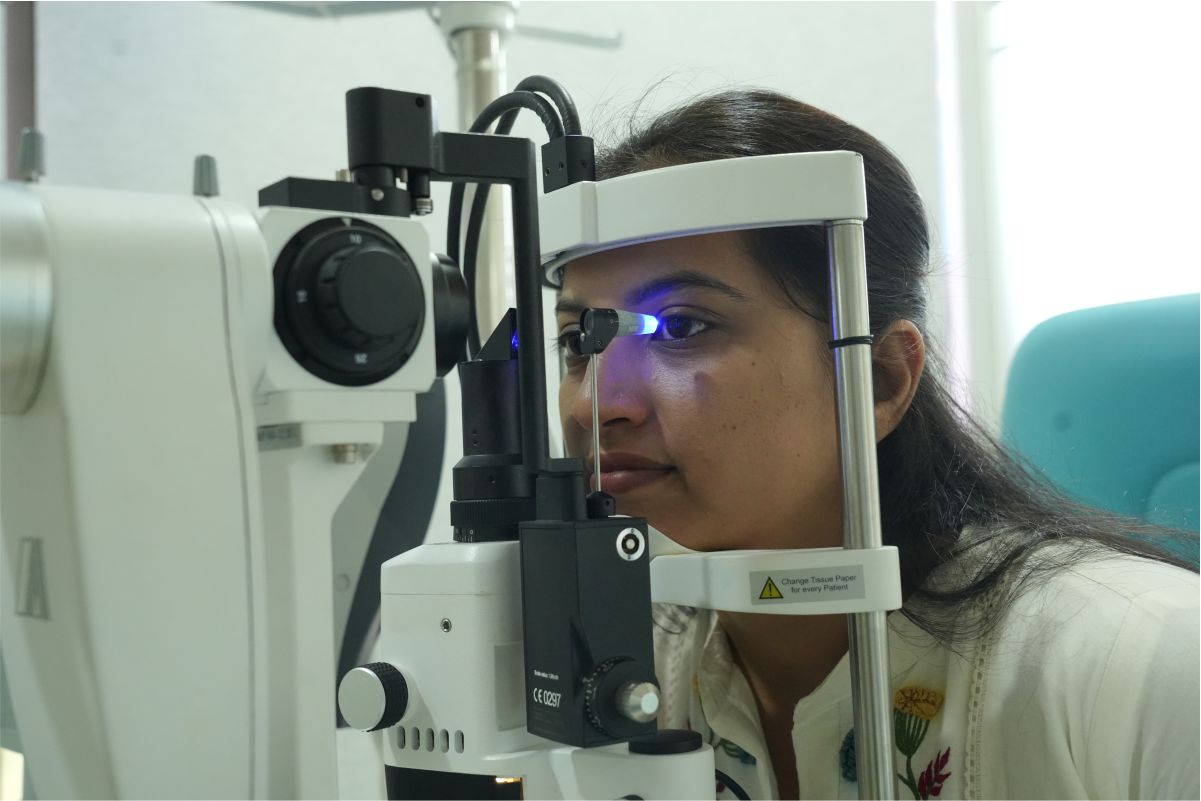
Intraocular pressure measurement (Tonometry)

Optic nerve examination

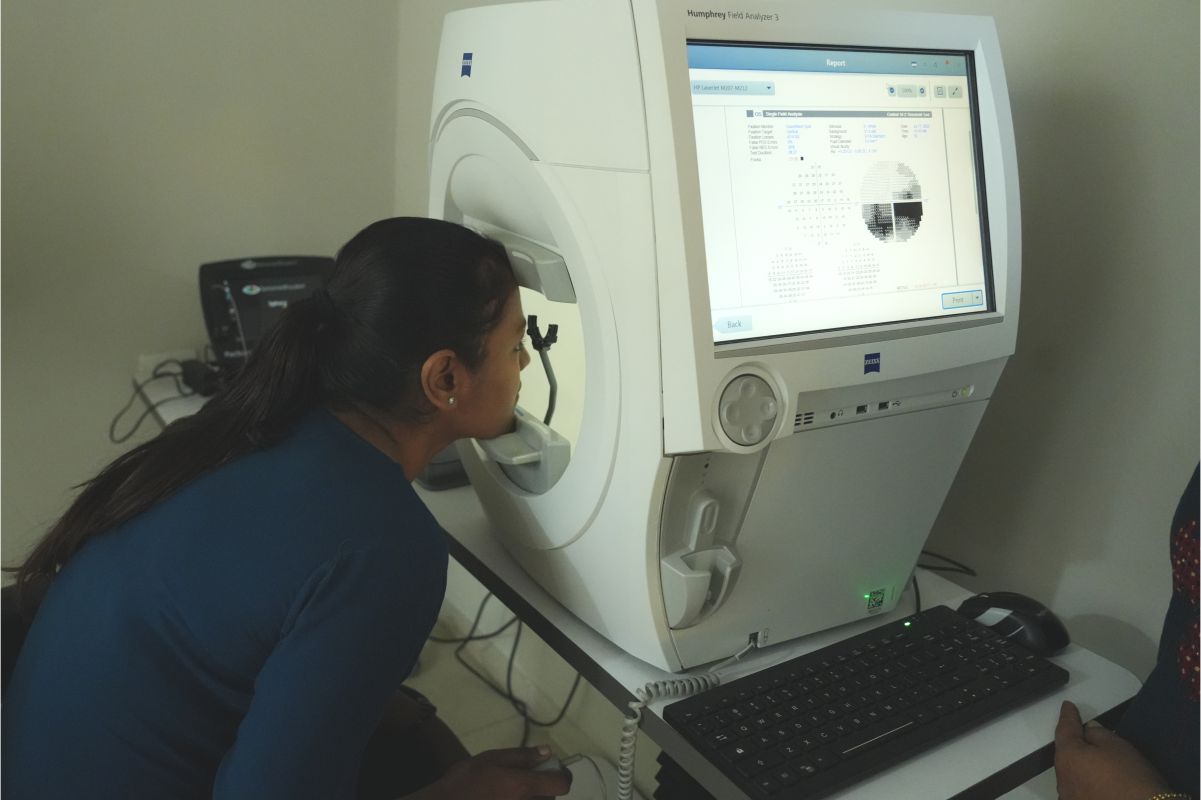
Visual field test (Perimetry)

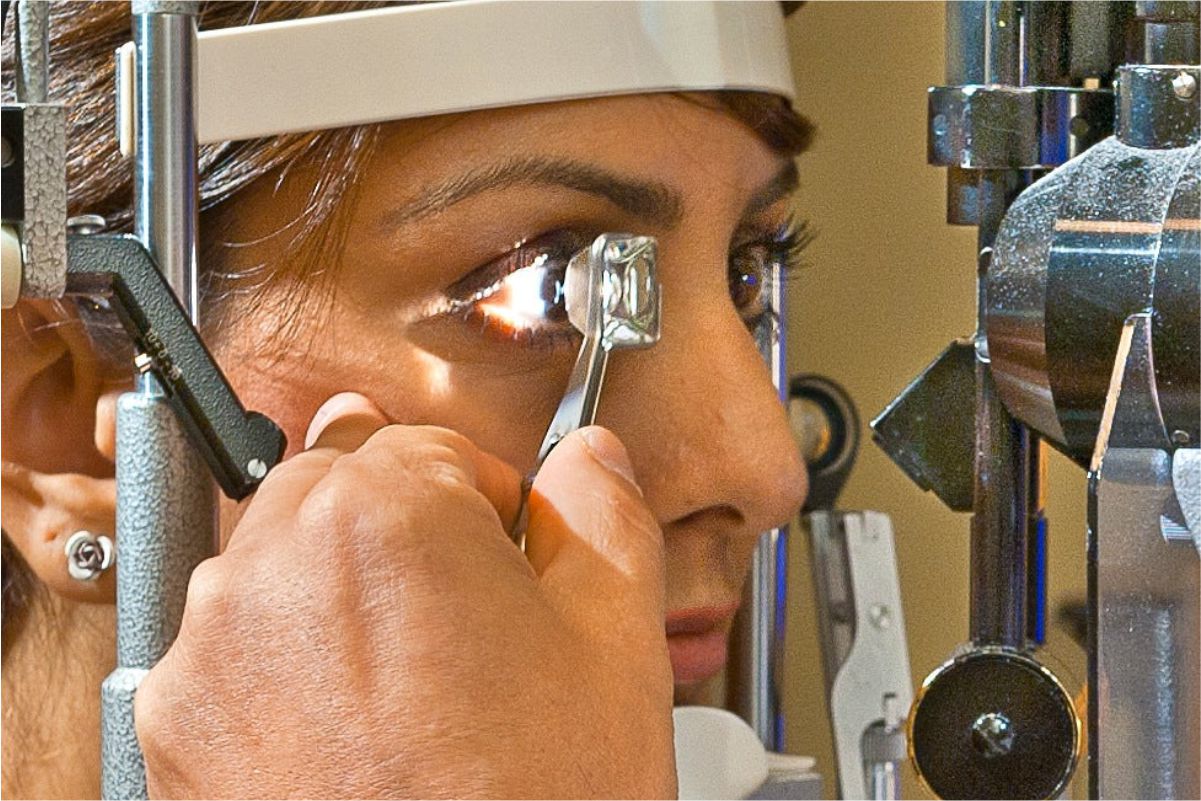
Angle assessment (Gonioscopy)

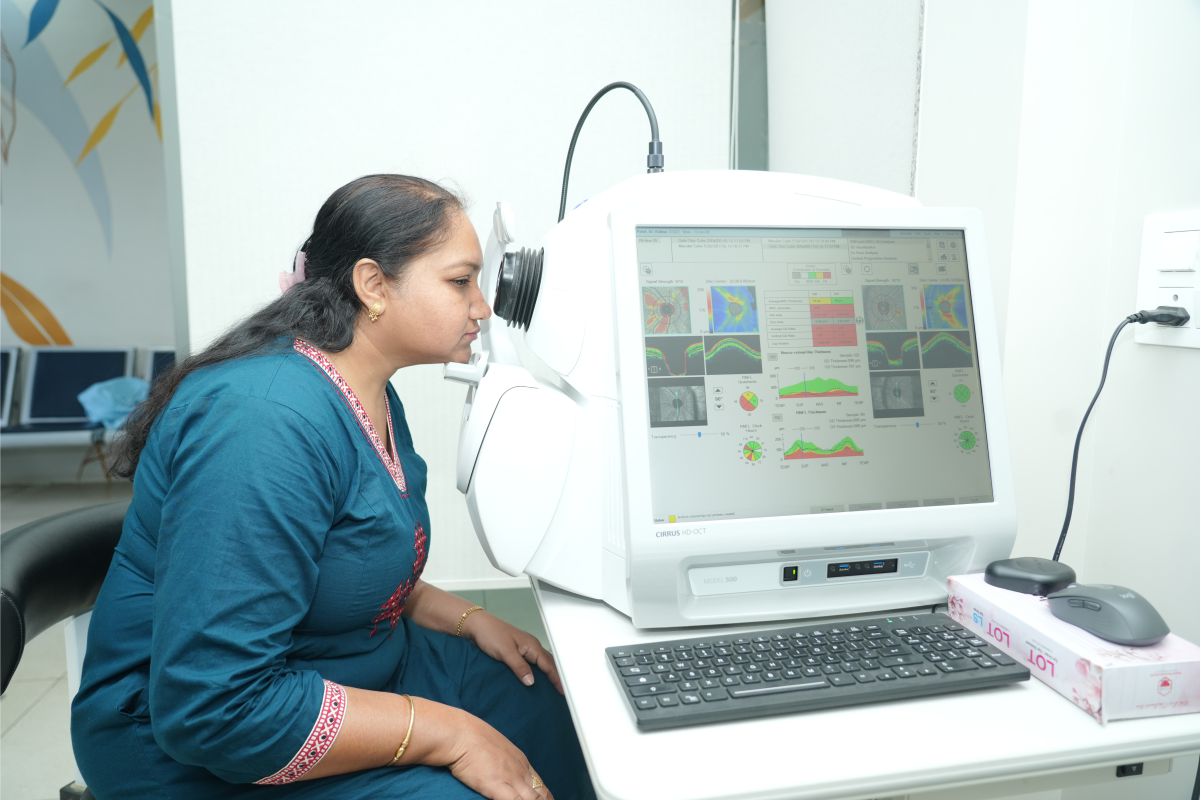
OCT imaging for optic nerve analysis

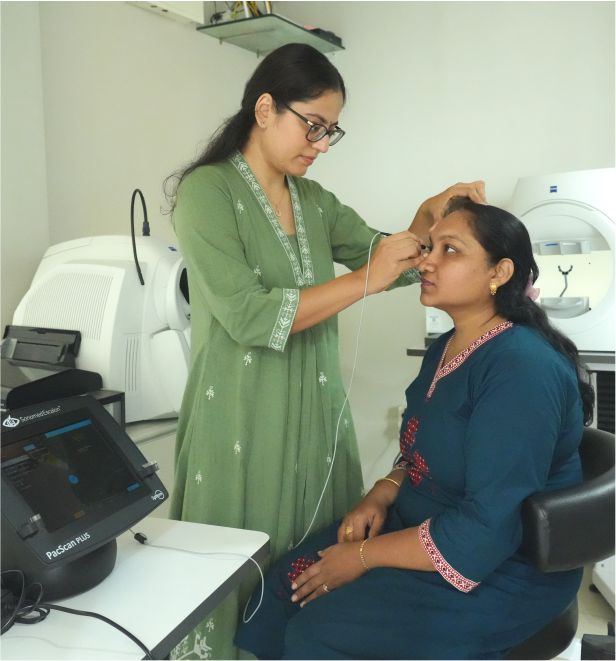
Corneal thickness measurement (Pachymetry)