
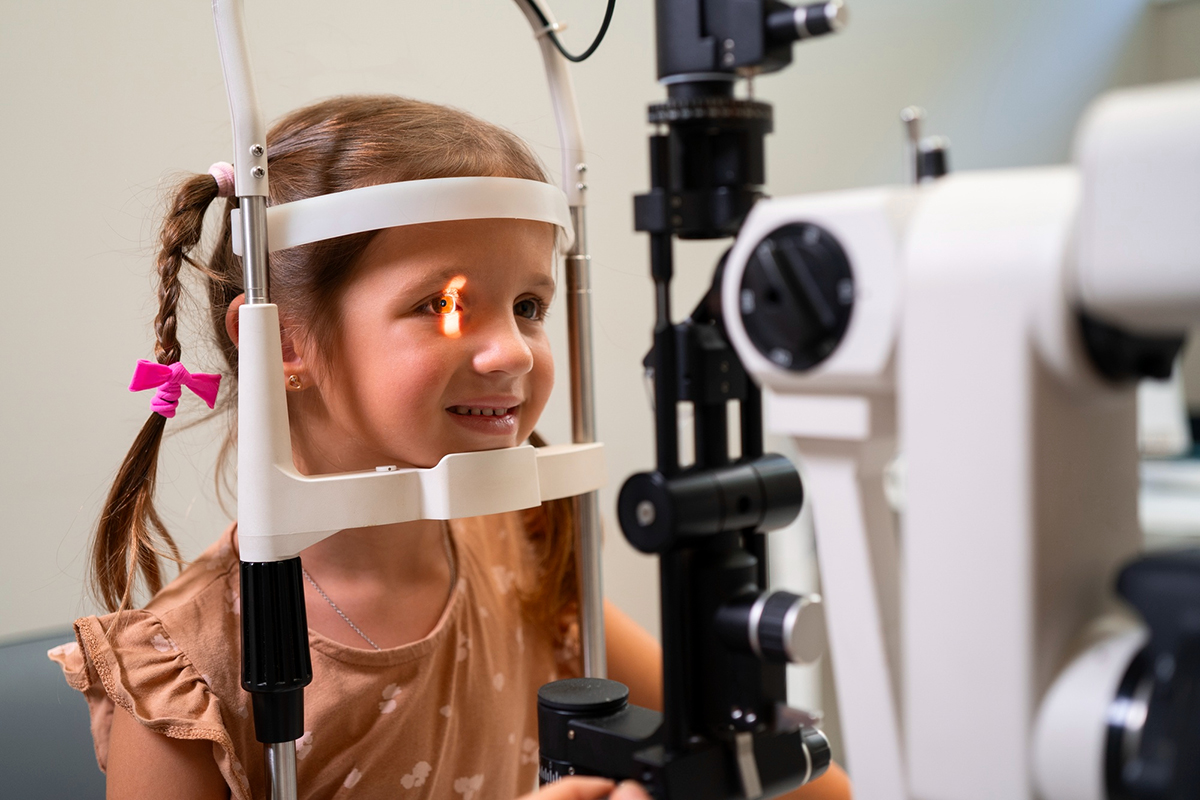
Congenital glaucoma surgery is a specialized procedure performed to treat glaucoma present in infants and young children. This condition occurs due to improper development of the eye’s drainage system, leading to increased eye pressure. Surgery helps create or improve fluid outflow, reducing pressure and preventing damage to the optic nerve. Early treatment is essential to protect vision and support normal visual development in children.
Careful evaluation helps confirm diagnosis and plan the right surgical approach for the child.
Detailed assessment of the child’s eye structure and overall eye health.
Measurement of eye pressure using child-friendly techniques.
Examination for enlargement, clouding, or other visible changes.
Check for any early signs of nerve damage.
Detailed evaluation performed safely while the child is under anesthesia.
Regular monitoring to track recovery and eye pressure after surgery.
Recommended for infants and children showing signs of congenital glaucoma.

A carefully planned pediatric procedure focused on protecting vision early.
A detailed evaluation is done, often under anesthesia, to assess the child’s eye condition and plan treatment safely.
Specialized techniques are used to improve fluid drainage and reduce eye pressure in the child’s eye.
Close monitoring, medications, and regular follow-ups are essential to ensure proper healing and healthy vision development.
It is a rare condition present at birth where eye pressure increases due to improper fluid drainage.
Yes, surgery is usually the primary treatment to control eye pressure and prevent vision loss.
Yes, it is performed by specialists using safe techniques designed specifically for children.
Yes, the procedure is done under general anesthesia to ensure the child remains still and comfortable.
Recovery varies, but regular follow-ups are required to monitor healing and eye pressure.
In some cases, more than one procedure may be needed depending on the condition.
Early treatment improves outcomes, but results depend on how early the condition is detected.
*** Stay updated with the treatments delivered directly to your inbox.
© 2026, Aqua Eye Clinic. Designed and Developed by Aclic.
