
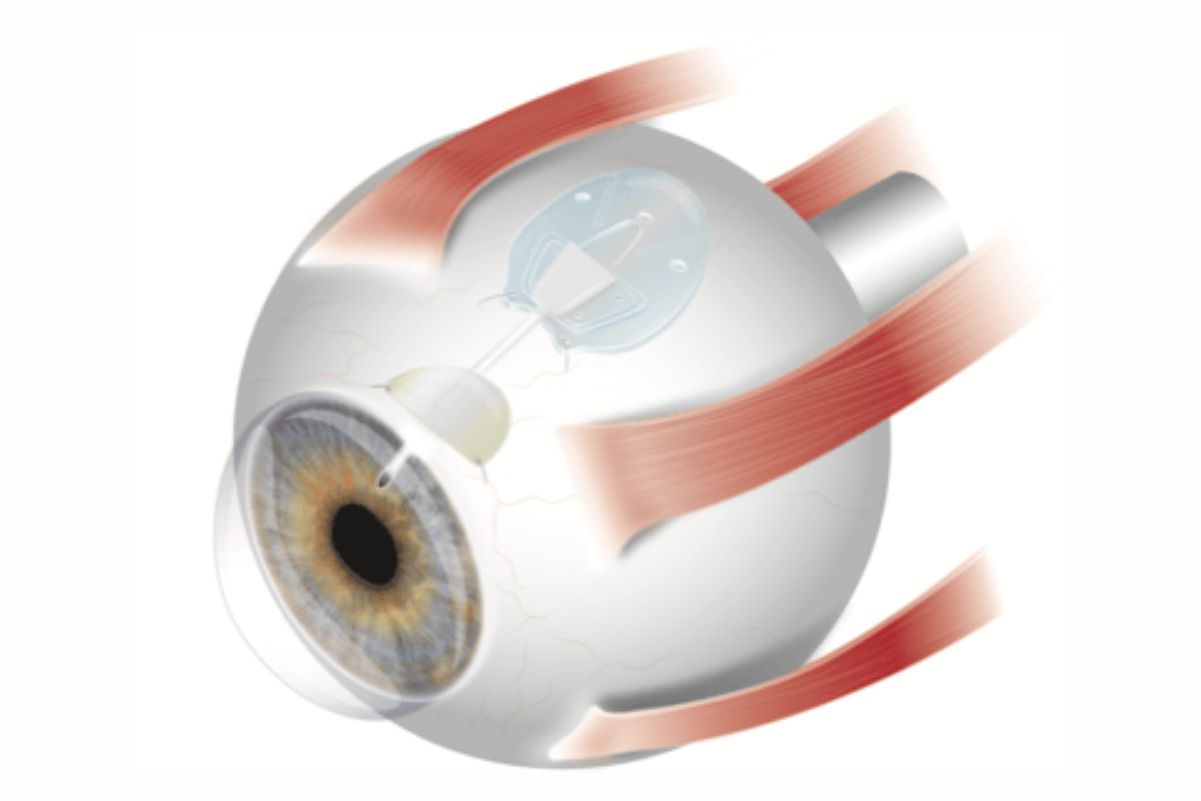
Glaucoma Drainage Device surgery involves placing a small tube implant inside the eye to help drain excess fluid and reduce intraocular pressure. It is usually recommended for patients with advanced or difficult-to-control glaucoma. The device helps maintain a steady fluid outflow, protecting the optic nerve from further damage and supporting long-term pressure control when other treatments are not effective.
Different approaches and stages ensure proper planning and effective outcomes.
Detailed eye examination to assess condition and plan the procedure.
Placement of a small device to improve fluid drainage.
Implants that control fluid flow using a built-in valve system.
Devices that allow controlled drainage without a valve mechanism.
Regular follow-ups to check healing and pressure levels.
Ongoing care to maintain pressure control and device function.
Recommended for patients needing strong and long-term pressure control.

A specialized surgical procedure designed for effective and stable pressure control.
A complete evaluation is done, and instructions are given to prepare safely for the procedure.
A small tube device is placed inside the eye to help fluid drain and reduce pressure.
Follow-up visits and medications are required to ensure healing and maintain proper pressure control.
It is a small implant placed in the eye to help drain fluid and lower eye pressure.
Yes, it is a commonly performed and safe procedure when done by an experienced specialist.
The procedure usually takes around 45 to 60 minutes depending on the case.
No, the surgery is performed under anesthesia, so you will not feel pain during the procedure.
Recovery may take a few weeks, with regular follow-ups to monitor healing and pressure levels.
Some patients may still require medications, but often in reduced amounts.
Yes, the device is designed to remain in the eye for long-term pressure control.
*** Stay updated with the treatments delivered directly to your inbox.
© 2026, Aqua Eye Clinic. Designed and Developed by Aclic.
