
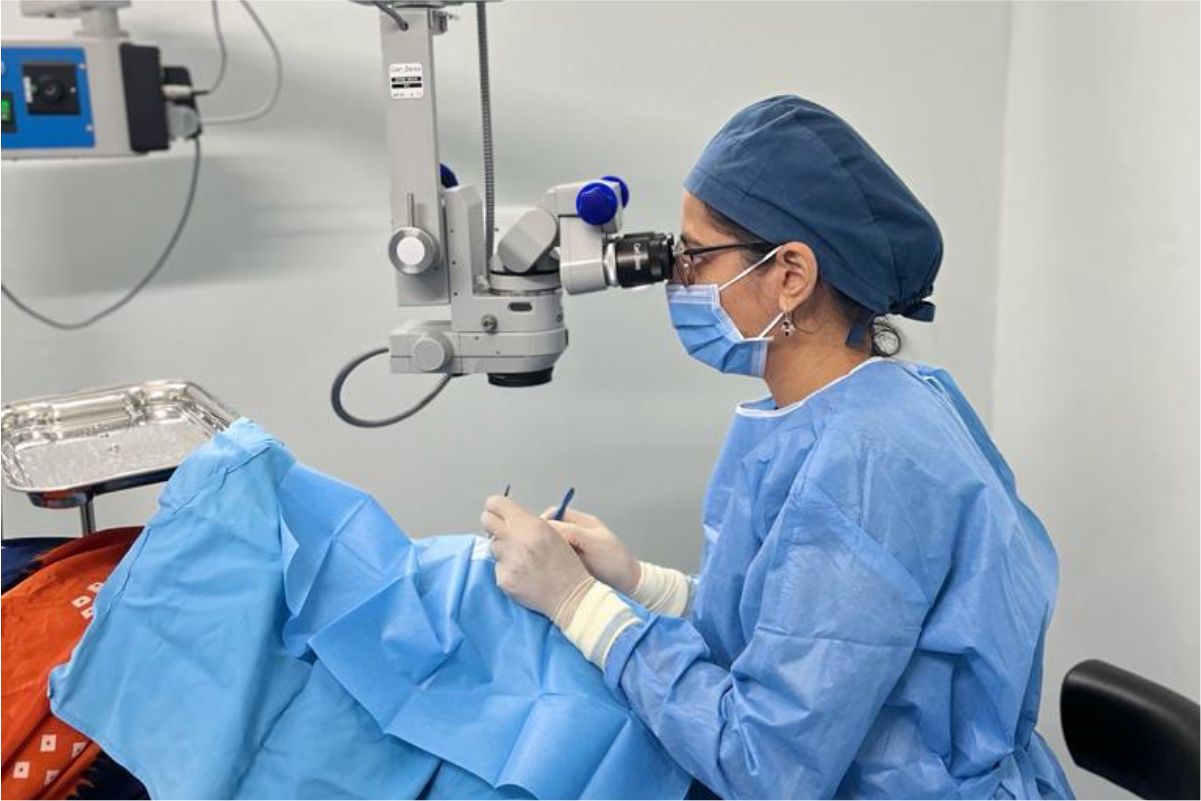
Trabeculectomy is a conventional glaucoma surgery used to lower eye pressure by creating a new drainage pathway for fluid inside the eye. This helps reduce pressure and prevent further damage to the optic nerve. It is usually recommended for patients with moderate to advanced glaucoma when medications or laser treatments are not effective. The procedure plays an important role in long-term control of glaucoma.
Different approaches and care stages are involved in trabeculectomy treatment.
Initial surgery to create a new drainage pathway for fluid.
Use of medicines during surgery to improve success rates.
Correction or adjustment if the initial surgery needs improvement.
Performed along with cataract surgery in selected cases.
Regular follow-ups to check pressure and healing.
Ongoing care to maintain results and prevent complications.
Recommended for patients needing strong and long-term pressure control.

A carefully planned procedure focused on effective pressure reduction and recovery.
A detailed evaluation is done, and instructions are provided to prepare safely for the procedure.
A small opening is created in the eye to allow fluid to drain and reduce pressure.
Follow-up visits and medications help ensure healing, control pressure, and achieve the best outcome.
Yes, it is a standard and effective glaucoma surgery recommended when other treatments are not enough.
No, the surgery is performed under anesthesia, so you will not feel pain during the procedure.
The procedure usually takes around 30 to 60 minutes depending on the condition.
Recovery may take a few weeks, with regular follow-ups to monitor healing and eye pressure.
Yes, eye drops are prescribed after surgery to support healing and prevent infection.
It provides long-term pressure control, but regular monitoring is required for best results.
Like any surgery, there are risks, but it is generally safe when done by an experienced specialist.
*** Stay updated with the treatments delivered directly to your inbox.
© 2026, Aqua Eye Clinic. Designed and Developed by Aclic.
