
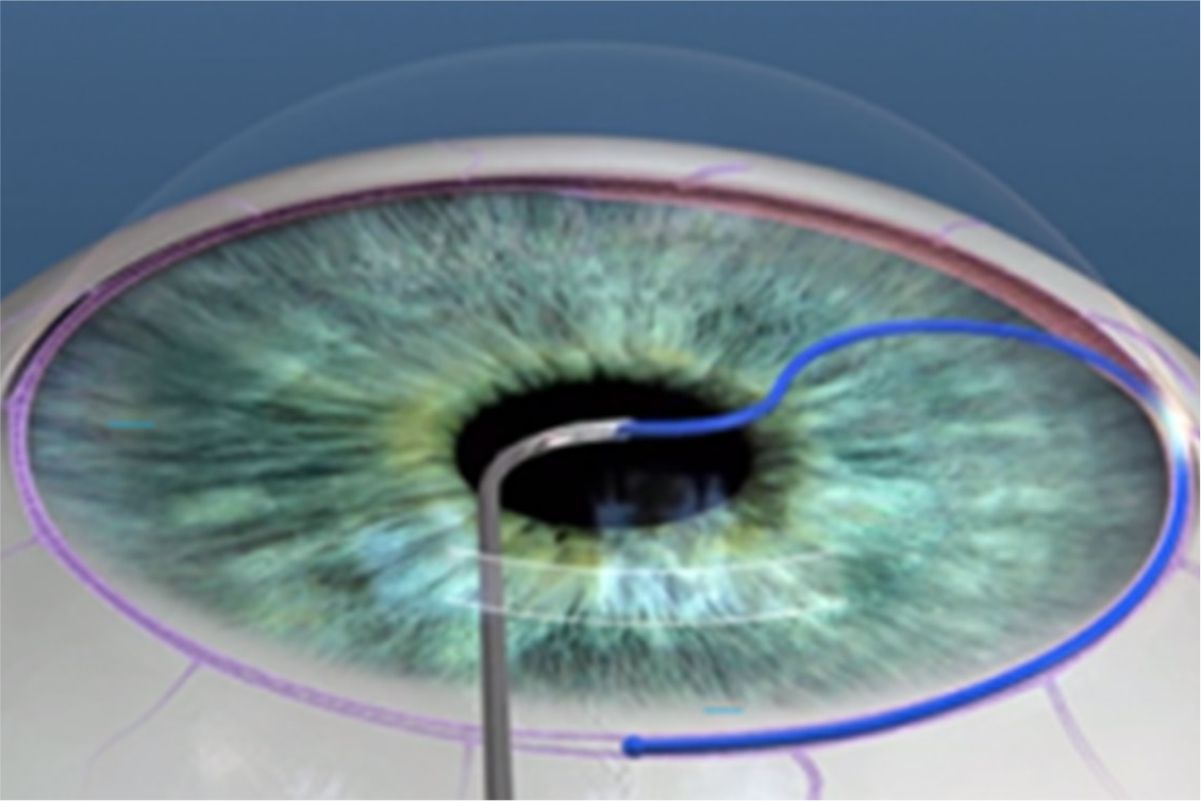
Minimally Invasive Glaucoma Surgery (MIGS) refers to a group of advanced surgical techniques designed to lower eye pressure with minimal tissue damage. These procedures use tiny devices or micro-incisions to improve fluid drainage within the eye. MIGS offers a safer alternative to traditional surgeries, with faster recovery, fewer complications, and effective pressure control, making it suitable for patients with mild to moderate glaucoma.
Different MIGS procedures are selected based on eye condition and treatment needs.
Improves fluid drainage through the natural pathway using tiny implants.
Places a small device to help fluid flow and reduce pressure.
Enhances drainage by improving the eye’s natural canal system.
Performed along with cataract surgery for better outcomes.
Done independently for glaucoma management without other surgeries.
Regular evaluation to track pressure control and healing progress.
Recommended for patients seeking safer surgical options with quicker recovery.

A safe and minimally invasive procedure focused on faster recovery and effective results.
Detailed evaluation is done, and instructions are given before the procedure for safe and smooth treatment.
Small instruments or devices are used through tiny incisions to improve fluid drainage and reduce eye pressure.
Recovery is usually quick with minimal discomfort, and regular follow-ups help ensure proper healing and pressure control.
No, the procedure is performed under anesthesia, and patients usually experience minimal discomfort during and after surgery.
MIGS procedures typically take around 15 to 30 minutes depending on the type of surgery.
Recovery is generally quick, and most patients return to normal activities within a few days.
Yes, MIGS is considered safer with fewer risks and complications compared to traditional surgeries.
Some patients may still need medications, but often in reduced amounts depending on results.
Yes, MIGS is commonly performed along with cataract surgery for better outcomes.
MIGS provides long-term pressure control, but regular monitoring is necessary.
Patients with advanced glaucoma may require more traditional surgical approaches.
*** Stay updated with the treatments delivered directly to your inbox.
© 2026, Aqua Eye Clinic. Designed and Developed by Aclic.
